

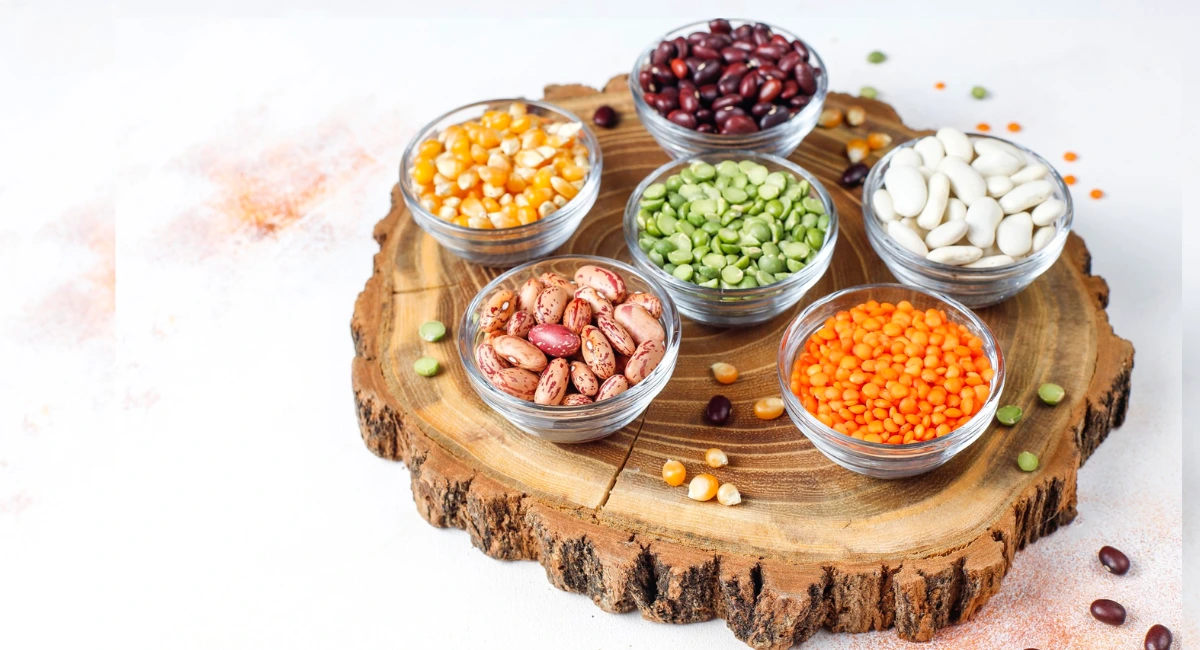
The health of households often revolves around women, who plan and prepare meals while also overseeing the nutrition and well-being of children, elders, and themselves.
Eggs have traditionally been viewed as an easy way to meet daily protein needs. However, nutritionists now emphasize that relying on a single food source is not ideal for long-term family wellness.
Beyond muscle support, plant-based protein sources offer additional benefits through fiber, minerals, and antioxidants. These nutrients support digestion, immunity, and sustained energy — essential for women managing busy households.
According to Dr Bhavana P, Chief Dietitian at Gleneagles Hospital, Hyderabad, one large egg provides about 6 grams of protein, while many vegetarian foods offer significantly more protein per 100 grams. These foods are especially helpful for families following vegetarian diets, women planning high protein foods vegetarian meals, or those opting for high protein low carb meals.
Eggs are nutritious due to their complete amino acid profile and ease of preparation. However, dietary variety is essential — especially for women preparing meals for growing children, elders with digestive sensitivities, or during religious fasting.
Protein quality and protein quantity are not the same. Many vegetarian foods provide higher protein density than eggs and also contain fiber, which helps regulate blood sugar and supports gut health — particularly important for women experiencing hormonal changes.
By combining cereals, pulses, dairy, nuts, and seeds, women can prepare complete, balanced meals without relying on a single protein source.
Below are veg protein sources women can easily include in everyday family meals.
These staples are excellent high protein vegetarian options for everyday Indian cooking.
These are ideal for women planning high protein low carb meals or healthy snacks.
Plant-based protein sources contain fiber that supports digestion, regulates blood sugar, and controls body fat levels. Women who plan balanced weekly meals often experience higher energy levels, fewer cravings, and improved overall family health.
These foods are ideal for:
Eggs are nutritious, but they are not the only way to meet daily protein needs — especially when feeding an entire family.
A vegetarian diet offers a wide range of protein-rich foods that support gut health, heart health, and sustained energy. By thoughtfully including these foods, women can build nourishing meals that strengthen immunity, support long-term wellness, and care for both themselves and their families with every meal.


A platform where powerful voices share ideas, stories, and insights that inspire growth, spark conversation, and empower women to rise, lead, and create meaningful change.