

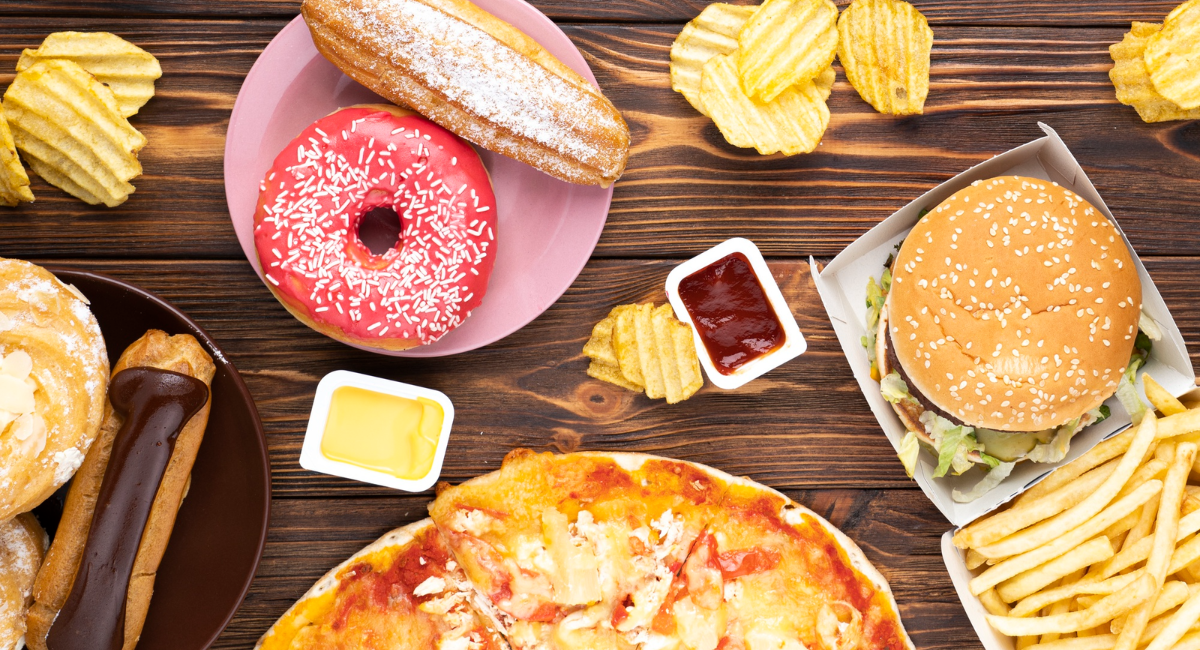
Ultra-processed foods may look tempting and save time, but their long-term intake shows serious impacts on health. Packed with excess sugar, salt, preservatives, refined oils, and unhealthy fats, these foods quietly increase the risk of cardiovascular disease, diabetes, gut issues, weight gain, and an overall unhealthy lifestyle.
Health experts now advise limiting such foods as much as possible — especially at home, where easy access often leads to frequent consumption. Health professionals recommend avoiding stocking ultra-processed foods in your kitchen to encourage healthier daily choices.
Dr. Alok Chopra, a senior cardiologist and founder-director of Aashlok Hospital in Delhi, recently highlighted four common food items that should ideally never be stored at home. His advice emphasizes reducing dependence on items from the ultra-processed foods list and encouraging smarter, healthier eating habits.
Heavily processed foods like sausages, salamis, hot dogs, and packaged cold cuts contain preservatives that are harmful to health. Regular intake of these foods can cause inflammation, raise cholesterol levels, and increase cardiovascular risk.
Health tip: Replace processed meats with fresh, home-cooked protein sources like eggs, lentils, paneer, fish, or lean meats — examples of minimally processed food options.
Colas, energy drinks, sweetened iced teas, and packaged fruit juices are loaded with added sugars. These drinks spike blood sugar levels rapidly and can push the body toward insulin resistance.
For people searching for snacks suitable for diabetics, sugary beverages are among the worst choices, as they provide calories without nutritional value.
Better alternatives: Water, unsweetened coconut water, lemon water, or homemade fruit-infused water.
Namkeens, bhujias, flavored chips, and crackers are rich in refined oils and excess salt. Regular consumption can raise blood pressure and significantly increase the risk of heart disease.
These items are a major part of the modern ultra-processed foods list and should be avoided for daily snacking.
Healthier swaps: Roasted chana, nuts in moderation, homemade popcorn, or fruit paired with nuts — ideal snacks for diabetics when portion-controlled.
Packaged cookies, mithai boxes, candies, and gummies contain hidden sugars, artificial colors, and trans fats. These ingredients silently damage metabolic health and increase food cravings.
Instead of packaged sweets, choose fresh fruits, dates in moderation, or homemade desserts prepared using natural ingredients.
One of the biggest challenges people face is learning how to control cravings for salty or sugary snacks. According to Dr. Chopra, the simplest and most effective strategy is not storing these foods at home.
When people ask how to control food cravings, his advice is practical:
Don’t make your home a temptation zone. If cravings strike, enjoy these foods occasionally outside — but keep your kitchen clean and safe.
Living an active and healthy life includes enjoying your favorite foods — but with limits. Removing ultra-processed foods from your everyday eating environment helps prevent emotional and impulsive eating.
When managing diabetes , heart disease, or working toward a healthier diet, focusing on minimally processed foods can lead to significant improvements over time. With better snack options for people with type 1 or type 2 diabetes and practical strategies to control food cravings, long-term health becomes far more achievable.


A platform where powerful voices share ideas, stories, and insights that inspire growth, spark conversation, and empower women to rise, lead, and create meaningful change.